1. Call and describe
The caller explains what happened, where the vehicle is and what it was exposed to. This shapes the plan and the gear.
Sand Lake, MI · Iosco County
A biohazard in a vehicle should not sit in the heat or be handled bare-handed. In Sand Lake, call (877) 812-4220 to have the contamination removed and the cabin sanitized.
If anyone is in danger, call 911 first. For a suicide crisis, call or text 988.
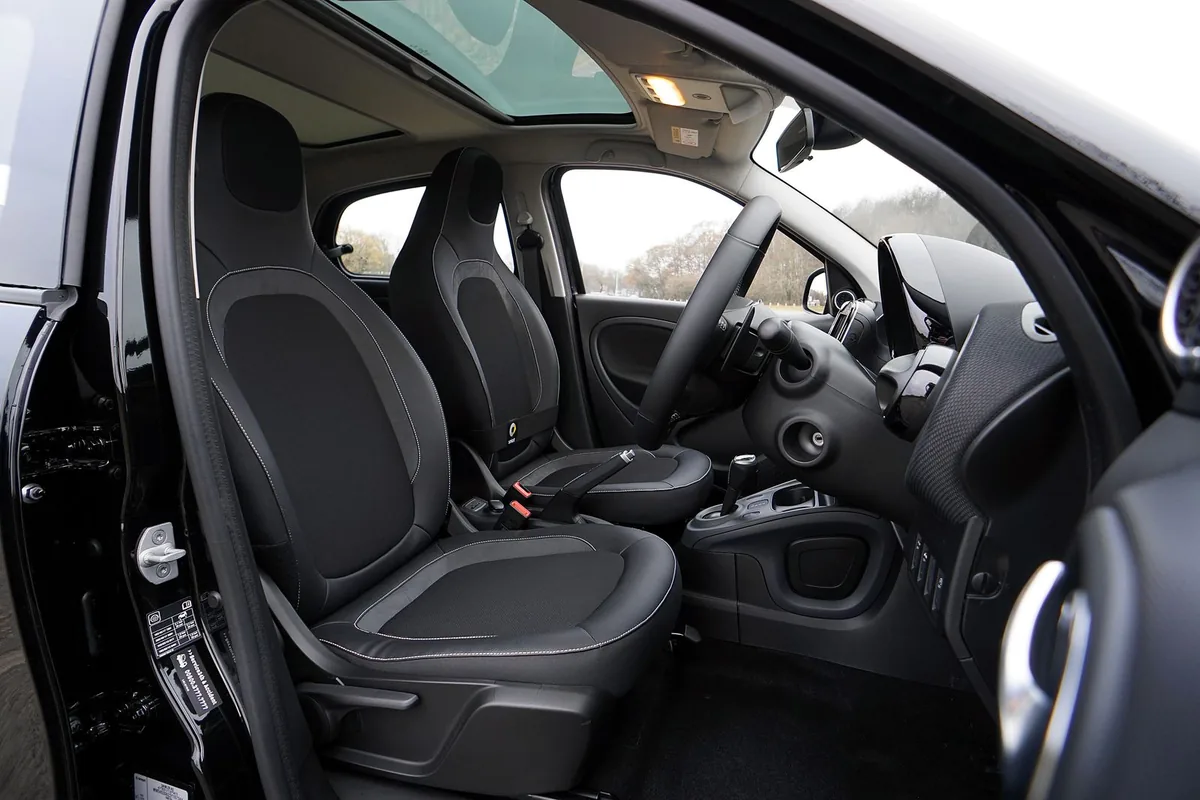
Cleaning a vehicle after a crash, a crime or a medical event means dealing with blood and other fluids that may carry bloodborne pathogens. Crews wear protective equipment and treat the cabin as a contamination zone.
Owners, adjusters, tow yards and fleet managers in Sand Lake and Iosco County who need your vehicle made safe can call Sand Lake Biohazard Cleanup Help for local vehicle biohazard cleanup.
Even with milder July highs near 80 degrees in Sand Lake, a parked car traps heat, so fluid odors can still build quickly. The nearest emergency room, Saint Mary's Standish Community Hospital in Standish, is about 28 miles away. Call 911 for injuries first; cleanup comes after.
A typical vehicle biohazard cleanup job includes:
The caller explains what happened, where the vehicle is and what it was exposed to. This shapes the plan and the gear.
Cleaners put on PPE, close the doors and windows as needed and protect nearby surfaces and people.
Contaminated parts that cannot be saved come out. Surfaces that stay are cleaned layer by layer.
The crew inspects each affected area, hauls away the waste and can provide notes for insurance claims.
Expect vehicle biohazard cleanup in Sand Lake, MI to cost roughly $500 to $5,000, with the final price set after an on-site assessment.
How long the contamination sat affects the work. Dried and aged fluids, and heat-baked odors, need extra steps to treat safely.
| Type of job | Typical range |
|---|---|
| Vehicle biohazard cleanup | $500 - $5,000 |
These ranges come from published cost guides (BioCleaners Directory) and are not a quote for Sand Lake. Price drivers include type of interior materials, how serious the event was, time since the event, air system decontamination. For a real number, call (877) 812-4220.
People use both phrases. Most of the time they mean decontaminating a vehicle that holds blood or other body fluids. Chemical spills are a separate hazard, and a cleanup team can say whether it can handle a specific one.
Cleaning a biohazard car starts with protection: gloves, eye protection and a mask. Contaminated upholstery and padding are removed, hard surfaces are cleaned, and an EPA-registered disinfectant is used by the label. Heavy contamination is best left to a vehicle biohazard cleanup team.
Yes, in most cases. Hard surfaces and many seats can be cleaned and disinfected. Foam, carpet and padding that soaked through are usually removed, because blood and odor stay in them.
Yes. Blood can carry bloodborne pathogens such as hepatitis B and HIV. Dried blood can still be hazardous, and enclosed cabins hold odor. That is why the area is cleaned with protection and disinfected.
A vehicle where a death occurred is cleaned only after law enforcement or the medical examiner releases it. The team removes contaminated materials, disinfects and treats odor, which can settle into seats, headliner and vents.
Often, yes. Crews can work in a driveway, garage or lot, depending on space, weather and the extent of the contamination. Some vehicles are moved to an enclosed space to keep the work private and contained.
Call (877) 812-4220 and describe what is in the vehicle.
Call (877) 812-4220